Over the past five years, absenteeism has been on the rise, with one in ten employees missing work unexpectedly , and up to 6% hourly workers arriving late to work on a regular basis. While taking planned time off is totally normal, those unannounced absences, including being late, can really throw a wrench in the works and cost businesses hundreds of thousands in payroll expenses and lost profits, team performance, and staff morale. Just count: the average salary in the US is around $990, meaning an average employee makes about $6 per hour. And here is how just 5 minutes of tardiness stacks up in time and cost.
So, what’s behind this trend? Let’s explore the psychology at play and a couple of effective strategies to tackle this issue effectively.
The Psychological Causes and Signs of Tardiness
The most interesting fact to note is that most of your chronically late employees aren’t intentionally tardy; rather, they often struggle with time management. This can stem from various factors, including personality traits or even cultural background. So, as managers, we must be cautious not to oversimplify the issue by saying, “Just get here on time.” That’s akin to telling someone on a diet to simply stop eating—it’s not that easy, you’ll see as we dwell on the five most common reasons why employees can become chronically late determined by The Business News Daily.
1. Low motivation
One of the top reasons why some of your employees are late for work is that they are no longer motivated to do their job. Why so?
- They may think their work lacks meaning or alignment with their personal goals.
- A challenging workload can leave employees feeling paralyzed, making them less inclined to rush in.
- Anxiety, stress, or depression can sap motivation and lead to procrastination.
And if you feel disconnected from your work, you may spend half the night on social media and then hit the snooze button multiple times on your alarm clock, feeling that it doesn’t matter if you’re late.
2. Unhappiness about the job
When low motivation goes unaddressed, it often leads to unhappiness about the job itself. Indifference sets in, causing your team members to disregard the repercussions of tardiness. Signs of this phase might include:
- Lack of enthusiasm for tasks.
- Minimal engagement in team activities.
- A noticeable decline in performance.
When you’re unhappy in your role, you become indifferent to punctuality and start to delay getting ready for work or even intentionally leave home later to avoid being at work longer, rationalizing that being late is preferable to facing an unpleasant work environment.
3. Tiredness and exhaustion
Poor work-life balance can lead to fatigue and a decline in concentration and focus. Contributing factors might include:
- Long working hours without adequate breaks.
- Insufficient rest or sleep due to personal commitments.
- A lack of effective time management skills.
Actually, this is one of the worst scenarios, as sleep deprivation, when we stay up working, makes us not just forget about the alarm but also gradually lose focus and start to mismanage the time, e.g. underestimate how long it takes to get ready or commute.
4. Stress, depression or burnout
A toxic workplace environment or unclear job expectations can lead to significant stress and even burnout. Symptoms might include:
- Resistance to change.
- Increased irritability.
- Declining performance and engagement.
High levels of cortisol, the hormone produced in response to stress, affect our overall ability to maintain punctuality. For example, you may just forget about some essential tasks and meetings.
5. Personal issues
Sometimes, life outside of work becomes overwhelming too. We all can suffer from:
• Family issues.
• Financial stress.
• Health problems.
What’s next? We find ourselves distracted and unable to leave on time or mentally drained and unable to focus on basic routines like checking the time or preparing for work the night before..
Beyond Dollars and Cents
While we’ve already dived into some of the financial implications of employee tardiness—lost productivity, decreased revenue, and all that jazz, which costs US businesses approximately $3,600 annually for each hourly employee and around $2,660 per year for salaried worker, but there’s a whole other side to this issue that often goes unnoticed.
When one person strolls in late every day, it soon creates a domino effect. Their colleagues who arrive on time feel frustrated or disheartened, especially if they’re picking up the slack for their tardy teammate. Over time, this frustration sours relationships and strains professional bonds.
For the latecomer, the stress of rushing into work can set a negative tone for the day too: when you’re constantly worried about being late or how others perceive you, it’s hard to fully engage in your work.
Next, tardiness leads to missed opportunities for collaboration and connection. Take those casual conversations that happen before meetings or during breaks, which often spark innovative ideas and strengthen team dynamics. Being late means missing out on these moments that can enhance creativity and camaraderie.
And if being late becomes a norm, other important aspects—like quality of work and collaboration—may also decline.
Lastly, let’s not forget about the external consequences. If employees frequently forget about time, it can impact customer service and client relations. Imagine a customer waiting for a meeting or support that gets delayed because someone didn’t show up on time. So, the earlier you address the issue, the better.
How to Deal with Employees Who Are Always Late
Although it can be frustrating to see time (and money with it) slip away when someone isn’t just able to cope with being late, remember that 90% of the reasons behind employee tardiness we listed above stem from the workplace itself. So, instead of just getting mad and pointing fingers.
That’s why you need to focus on fixing the root causes and fostering a culture that truly values punctuality.
1. Address the situation early
One of the conclusions that we should draw from the reasons and business consequences of employee tardiness is that any case of tardiness should be addressed early. Otherwise, it can hurt your business, your relationship with a tardy employee, their health and the discipline of the whole team.
- Arrange a one-on-one meeting in a comfortable setting to discuss the issue privately.
- Frame your observations using “I” statements (e.g., “I’ve noticed you’ve been arriving late recently”) to avoid sounding accusatory.
- Allow the employee to share their perspective. They may have valid reasons for their tardiness that you weren’t aware of.
2. Make your expectations clear
When you have that chat, be upfront about what you expect. Make sure they understand that being late isn’t okay. Point them to our attendance policy in the employee handbook so they know what’s at stake.
- Highlight the key points related to punctuality.
- Specify what “on time” means (e.g., being at their desk by 9:00 AM) and the grace period, if any.
- Follow up your conversation with a summary email outlining the expectations discussed.
3. State the consequences
After setting those expectations, it’s important to discuss what could happen if things don’t improve. This isn’t about being harsh; it’s about being clear. Let them know that repeated tardiness can lead to warnings, suspension, or even termination. And sharing this info with the whole team can help everyone stay on the same page.
- Clearly explain the disciplinary actions outlined in the employee handbook for repeated tardiness.
- Share examples of how tardiness has impacted team projects or morale, without naming individuals.
- Mention how attendance will factor into performance evaluations and promotions.
4. Set a goal and check in
At the end of your conversation with an employee about their tardiness, you need to set your expectations and set a goal.
- Help them set Specific, Measurable, Achievable, Relevant, and Time-bound goals (e.g., “Arrive on time for the next four weeks”).
- Schedule weekly or bi-weekly check-ins to discuss progress and any challenges they’re facing.
- Pair them with a colleague who can help remind them of the importance of punctuality.
5. Use attendance management software
To manage tardiness and absences more effectively, use absence management software to notify managers about employees coming late, leaving early, or being absent. Employees can submit absence updates through a mobile app, while managers can review attendance in the online team calendar, identify absenteeism patterns, and manage absences on the go.
Try a tool like actiPLANS. With it, managers and team members will get access to the team calendar and review who sent a note of being late and hasn’t started yet, who is working remotely today, and who is on vacation or took a sick leave. This will ensure fairness and transparency for all.
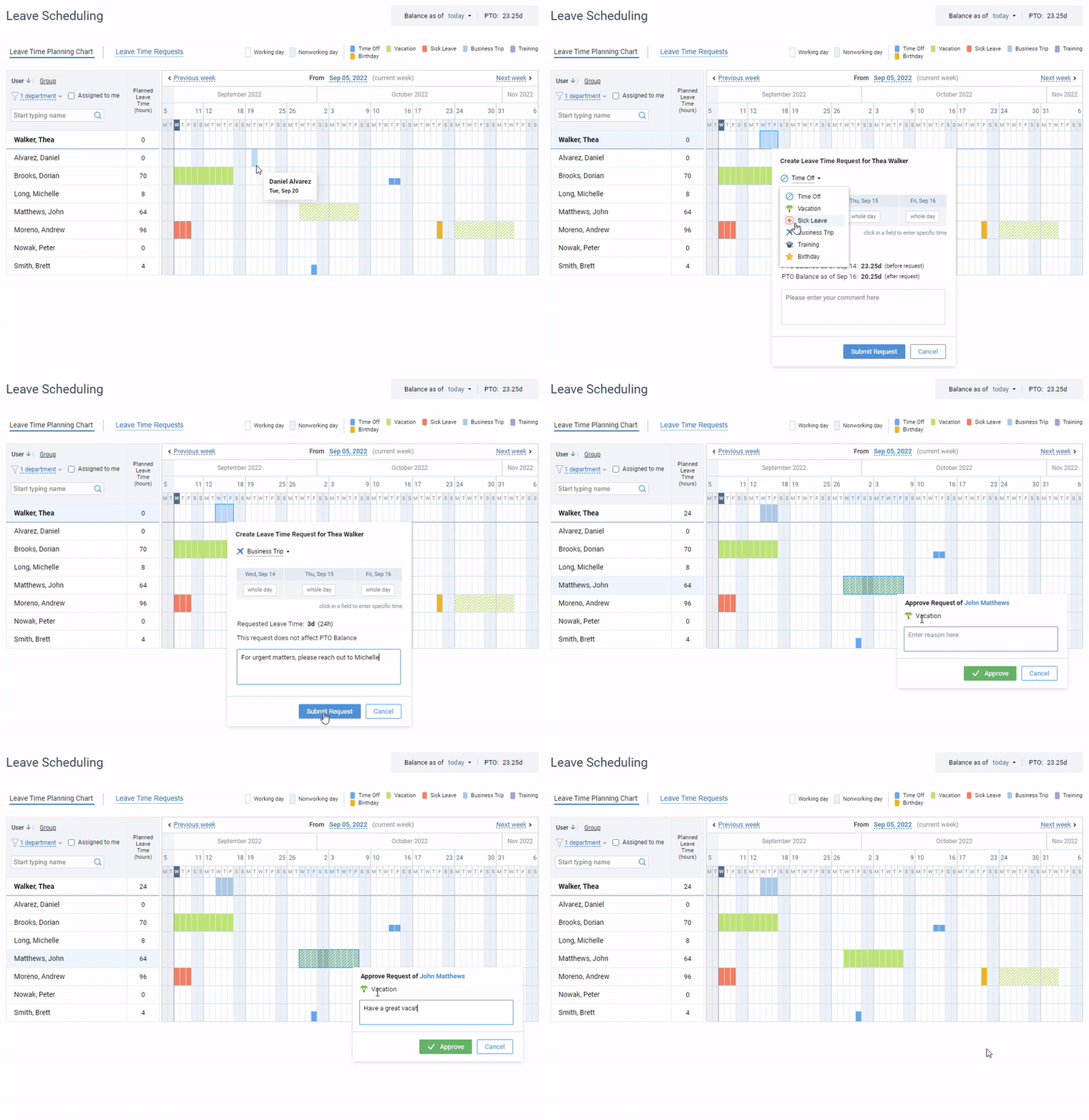
Leave management in actiPLANS – create an unlimited number of leave types, get your team to request and plan their time off and review employee availability
Whenever someone is late, absent or works from home, everyone in the team will get push notifications from a mobile app or will be able to review absences online in their browser.
With all tardiness and absence cases recorded, you’ll be able to identify patterns and prevent them from turning into a poor habit. Try actiPLANS for free using a 30-day trial (no credit card required).
6. Cultivate punctuality
Work together with HR to improve your existing or create a new clear punctuality policy that everyone understands from day one.
- Discuss the importance of punctuality during new hire onboarding sessions.
- Regularly remind the team about the importance of punctuality during team meetings.
- Highlight team members who consistently arrive on time and how it positively impacts the team’s performance.
7. Encourage timely meetings
Discourage late-starting meetings, conference calls and other team activities.
- Always start meetings on time regardless of who is present; this sets a standard.
- Use calendar software to send automatic reminders 15 minutes before meetings.
- Encourage attendees to respect each other’s time by not revisiting topics for latecomers.
8. Reward good attendance
Implement a simple achievements program to celebrate those who consistently show up on time.
- Offer rewards such as gift cards, extra vacation days, or public recognition for perfect attendance over a quarter.
- Acknowledge employees with good attendance in team meetings or newsletters.
- Host quarterly lunches or team outings for groups that meet attendance goals.
9. Approcah the issues with sympathy
If tardiness becomes a pattern for someone who’s usually great at their job, take the time to meet with them one-on-one. Find out if there are any seriouschallenges they’re facing and try to find solutions that will help you move forward together.
- Consider offering a flexible schedule for the time needed to solve the problem.
- Provide access to a coach who can help the employee develop time management and organizational skills. or offer training.
- Provide information about mental health resources or workshops focused on stress management and coping strategies.
The Final Note
The consequences of employee tardiness extend far beyond financial losses. From affecting team morale to straining relationships and impacting company culture, tardiness can create a ripple effect that touches every corner of an organization.
However, by recognizing the psycholiogical reasons and specific behaviors associated with each cause, you’ll be able tailor your interventions and leverage the technology to provide the necessary support to help employees stop being late for work.